📍 Los Angeles, CA  ·  C-10 #981578  ·  EVITP #4051604☎ (818) 302-5614

Smoke & CO Detector Installation
in Los Angeles

Professional installation of hardwired smoke detectors, carbon monoxide detectors, and combination units. Battery backup, interconnectivity, and code-compliant placement. Includes permit and inspection.

🔥 Smoke Detector Experts
☠️ Carbon Monoxide Protection
🔋 Battery Backup Included
💰 $150-$400 Per Detector

Professional Smoke & CO Detector Installation

From single detector replacement to whole-home systems, AMY Electric installs smoke and CO detectors to current NFPA 72 and LA fire code requirements. We ensure proper placement, interconnectivity, battery backup, and testing.

🚨

Hardwired Smoke Detectors

120V interconnected smoke detectors with 9V battery backup. Required in bedrooms, hallways, and on every level of the home.

☠️

Carbon Monoxide Detectors

Hardwired CO detectors with battery backup. Required near sleeping areas and fuel-burning appliances (furnace, water heater, fireplace).

🔋

Combination Smoke/CO Detectors

Single unit detecting both smoke and carbon monoxide. Saves space while providing dual protection.

🔋

Battery Backup & Power Failure

All hardwired detectors include 9V battery backup to maintain protection during power outages.

🔗

Interconnected Systems

When one detector sounds, all detectors in the home sound. Critical for early warning throughout the house.

📍

Proper Placement & Spacing

We follow NFPA 72 guidelines: detectors in every bedroom, outside sleeping areas, and on every level including basements.

Smoke & CO Detector Installation Project Photos

Browse representative project photos from electrical work across Greater Los Angeles. Equipment and scope vary by property.
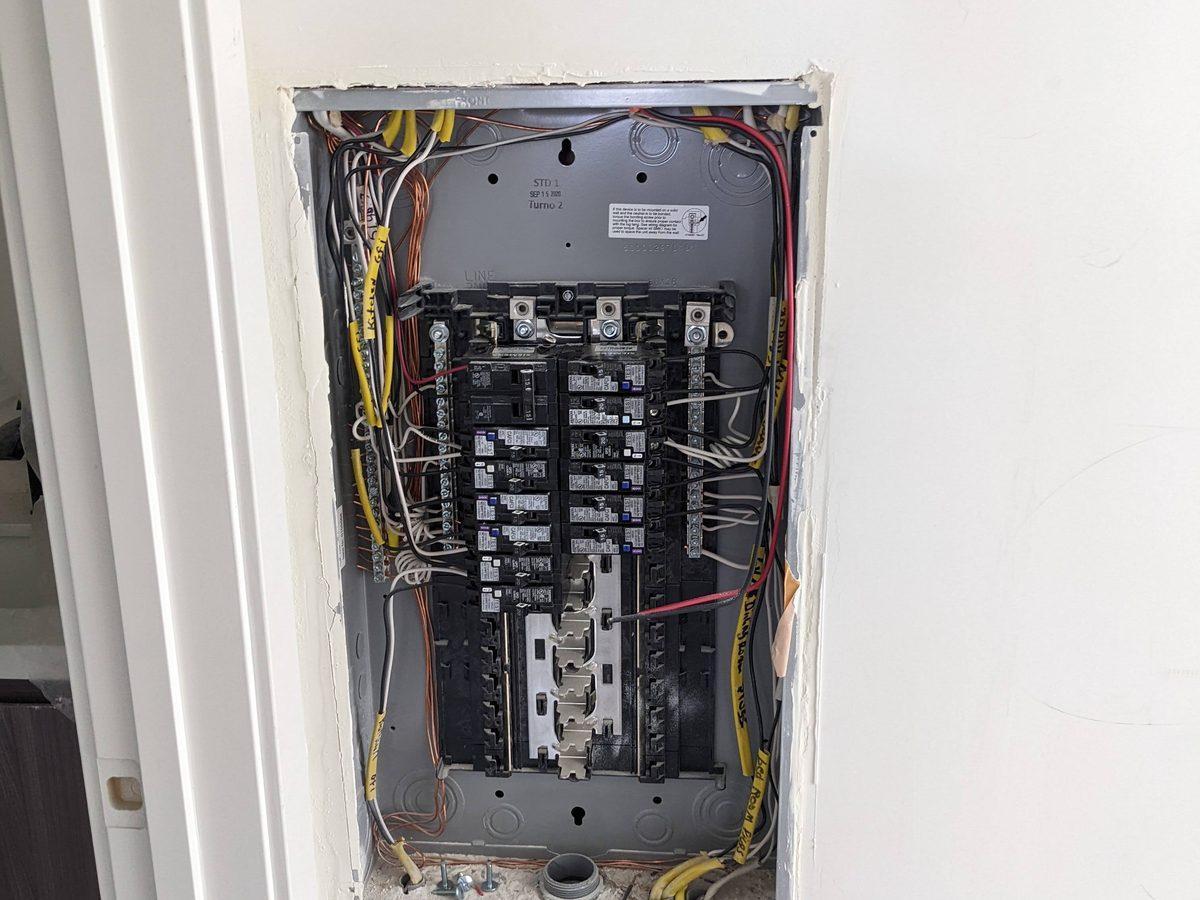
New panel installation in finished drywall - AMY Electric

New panel in finished area — perfect for detector installs
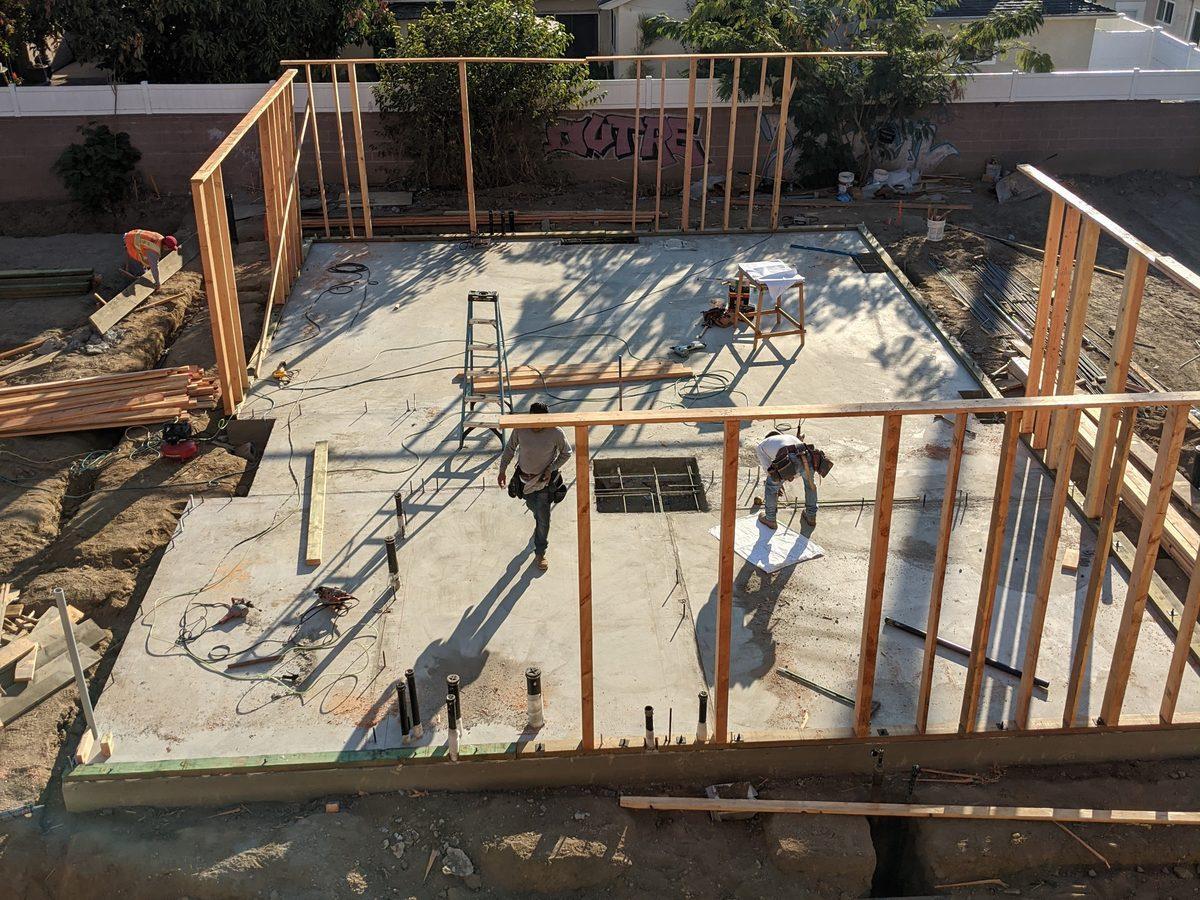
Electrical rough-in with conduit through framing - AMY Electric

Electrical rough-in showing wiring access points

Smoke & CO Detector Installation Process

1
Assessment & Quote

We evaluate your current detector placement, wiring, and needs. We provide a firm quote for the recommended installation.

2
Permit & Planning

Most detector replacements don't require permits. New circuits or panel work do — we handle all permitting with LADBS.

3
Power Off & Safe Work

We shut off the relevant circuit, verify it's dead, and work using insulated tools and PPE.

4
Installation & Wiring

Old detectors removed, new ones installed with proper wiring to box, interconnect wiring, and battery backup connected.

5
Testing & Walkthrough

We test each detector individually, test the interconnect system, and show you the hush button and test function before we leave.

Smoke & CO Detector Installation Costs

ServiceTypical Range
Hardwired Smoke Detector Installation$150–$250
Carbon Monoxide Detector Installation$150–$250
Combination Smoke/CO Detector$150–$300
Interconnected System (3+ detectors)$400–$800
Detector Replacement (existing wiring)$100–$200

Detector unit cost not included unless supplied by customer. Free estimate provided.

Smoke & CO Detector FAQ

Are hardwired smoke detectors required in Los Angeles?
Yes — the California Building Code (CBC) and the Los Angeles Municipal Code require hardwired, interconnected smoke alarms with battery backup in all newly constructed residential dwelling units and in any existing home undergoing major renovation or addition. Hardwired smoke alarms are powered by your home's electrical system with a battery backup that keeps the alarm operational during power outages. They must be interconnected so that when one alarm detects smoke, all alarms in the home sound simultaneously. This interconnection can be achieved through hardwired wiring or wireless interconnect technology. The California Fire Code also requires carbon monoxide (CO) detectors in all dwelling units with a fuel-burning appliance (furnace, water heater, stove, fireplace) or an attached garage. In Los Angeles, smoke alarms are required in every bedroom, outside each sleeping area, and on every level of the home, including basements and finished attics.
How often should smoke detectors be replaced?
All smoke alarms — both battery-powered and hardwired — must be replaced every 10 years from the date of manufacture, regardless of whether they appear to be working correctly. This 10-year replacement requirement is mandated by the California Fire Code and is based on UL standards research showing that smoke alarm sensors degrade over time and become less sensitive to smoke particles after approximately 10 years. You can find the manufacture date printed on the back or side of the alarm — if it is more than 10 years old, replace it immediately. Combination smoke and CO alarms typically have shorter lifespans because the CO sensor degrades faster — most combination units need replacement every 7 years. Battery-powered alarms with sealed 10-year lithium batteries also expire on the date printed on the device and must be replaced entirely when the end-of-life chirp begins. We recommend replacing all home smoke alarms at the same time to ensure consistent protection.
Can I install smoke detectors myself?
Battery-powered smoke alarms are designed for simple DIY installation — they typically attach to the ceiling or wall with a few screws and require no electrical wiring. Hardwired smoke alarms, which are required in most situations in Los Angeles, should generally be installed by a licensed electrician. Hardwired installation involves running new wiring from the electrical panel or from the nearest existing hardwired alarm circuit, properly connecting the hot, neutral, and interconnect wires (the red wire that communicates between alarms), mounting the alarm to an electrical box securely attached to a ceiling joist or wall stud, and testing the interconnection between all alarms to ensure they communicate correctly. Additionally, the current California Electrical Code has specific requirements for AFCI and GFCI protection on smoke alarm circuits that a licensed electrician will know how to handle correctly. If you are replacing an existing hardwired alarm with a new one using the same wiring, the installation is simpler but still requires careful attention to wire connections.
Do smoke detectors need to be interconnected?
Yes — the California Fire Code requires that all smoke alarms in a dwelling unit be interconnected so that when one alarm detects smoke, all alarms sound simultaneously. This interconnection is critical because a fire starting in one part of the home — such as in the basement or garage — may not be immediately audible in bedrooms on the opposite side of the house. Simultaneous sounding provides earlier warning to all occupants, especially sleeping family members, and can significantly reduce the risk of injury or death in a residential fire. Interconnection can be achieved through physical wiring (a red interconnect wire running between all alarms) or through wireless interconnect technology that uses radio frequency signals between compatible alarms. Hardwired alarms typically use the 3-wire interconnect method, while battery-powered alarms can be interconnected using wireless technology. We install both types and ensure all alarms are properly interconnected and tested before completing the job.
Where should smoke detectors be placed in my LA home?
The California Fire Code specifies exact placement requirements for smoke alarms in residential dwellings. Smoke alarms must be installed in every bedroom or sleeping room, immediately outside each separate sleeping area (such as in a hallway serving multiple bedrooms), and on every level of the home including basements and finished attics. They should be mounted on the ceiling at least 4 inches from any wall, or on a wall with the top of the alarm between 4 and 12 inches from the ceiling. Do not install smoke alarms near windows, doors, or HVAC vents where drafts could interfere with smoke reaching the sensor. Carbon monoxide detectors are required outside each sleeping area and on every level of the home with a fuel-burning appliance. Combination smoke and CO alarms are available and can save installation cost and time. We follow all Los Angeles and California placement requirements in every installation.
How long does smoke detector installation take?
Installing new hardwired smoke detectors in a typical single-family Los Angeles home with 4 to 6 required alarm locations takes approximately 2 to 4 hours, including running the necessary wiring, installing the electrical boxes, connecting the alarms, and testing the interconnect system. Replacing existing hardwired smoke detectors with new ones using the existing wiring — typically the fastest option — takes about 30 to 60 minutes total for 4 to 6 alarms. Adding smoke detectors where none exist is a larger project that may require attic access or fishing wires through finished walls and ceilings. We can provide a specific time estimate during your free on-site evaluation. We recommend replacing all your home's smoke alarms at the same time to ensure consistent protection and simplify future maintenance.

Protect Your LA Home with Proper Detectors

Get a free quote for hardwired smoke and CO detector installation in Los Angeles.

☎ (818) 302-5614 Free Estimate